
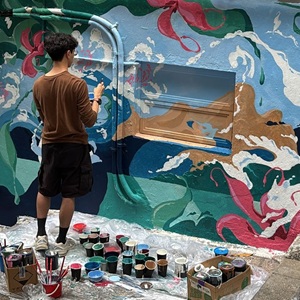
HK Walls Festival: Turning Hong Kong into an Open-Air Museum
Since its inception, HK Walls has quietly transformed Hong Kong’s streets into a vibrant outdoor gallery.
Launched in 2014 by a non-profit art organisation, the festival set out to create legal, large-scale opportunities for muralists—both local and international—to paint across the city.
What began as a modest initiative has grown into a much-anticipated annual event that reshapes neighborhoods, sparks conversation, and gives street art a new kind of legitimacy in Hong Kong.
Where the festival paints
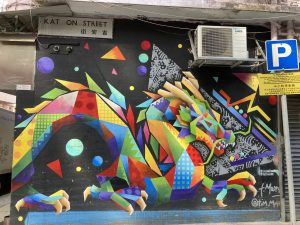
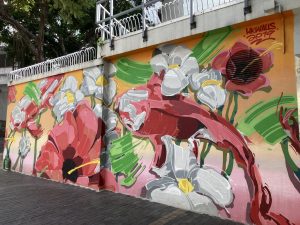
Over the years HK Walls has used an impressive range of districts as its canvas, from the dense, character-rich backstreets of Central and Sheung Wan to the more residential and industrial corners of Sai Kung, Wan Chai and Sham Shui Po.
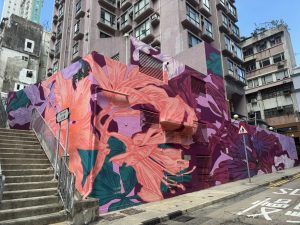
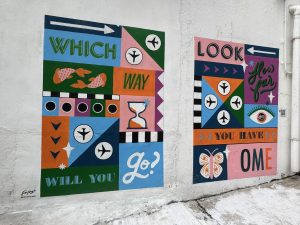
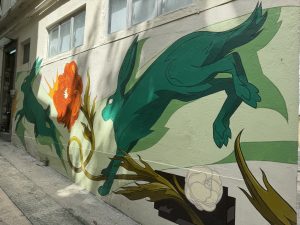
Who makes it possible
The HK Walls Festival is organised yearly, in March, by a non-profit art organisation that focuses on arts education and public engagement. Funding and support come from a wide array of partners—cultural organisations, consulates, airlines, local businesses, private companies and arts allies. These sponsors help cover materials, artist residencies, logistics and permits. Their involvement has allowed HK Walls to invite international muralists and create curated projects while keeping the event accessible to the public. The backing of reputable institutions also lends credibility and helps open doors to legal wall-use agreements, which in turn protects artists and property owners alike.
What the festival does to the city
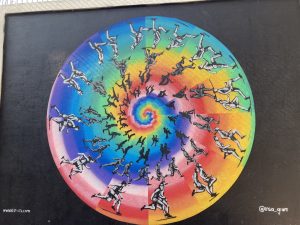
One of HK Walls’ most visible impacts is how it has recast Hong Kong as an open-air museum. Murals and painted façades transform mundane lanes and blank walls into points of interest—places where residents and visitors pause, take photos, and reflect. This urban enrichment creates new tourist paths: people now explore neighborhoods on mural-hunting routes. The festival encourages walking, local discovery and an appreciation of the city’s layered history and everyday surfaces.
By activating walls in different districts, HK Walls helps to decentralize cultural attractions. Neighborhoods that once saw little foot traffic gain new visibility and a fresh story to tell. The result is not just aesthetic uplift but also subtle social and economic benefits—cafés, small galleries and local shops nearby often enjoy increased attention.
How HK Walls affects street art itself
HK Walls has played a key role in redefining street art in Hong Kong. By providing legal, organised opportunities for muralists, the festival offers a sanctioned channel for artists to express social messages, experiment with scale and techniques, and reach broader audiences without the risk of removal or legal trouble.
2026 edition — go discover the new murals
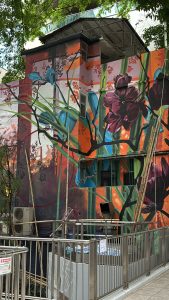
The 2026 HK Walls festival is drawing to a close. This year’s programme stays true to its tradition of dispersed sites across Central and Sheung Wan, featuring live painting sessions and site-specific works.
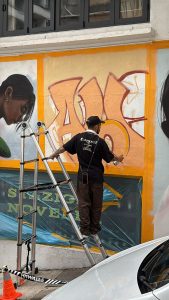
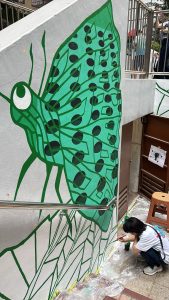
New for 2026: six international and local artists have turned trucks into rolling masterpieces, bringing art directly onto the streets.
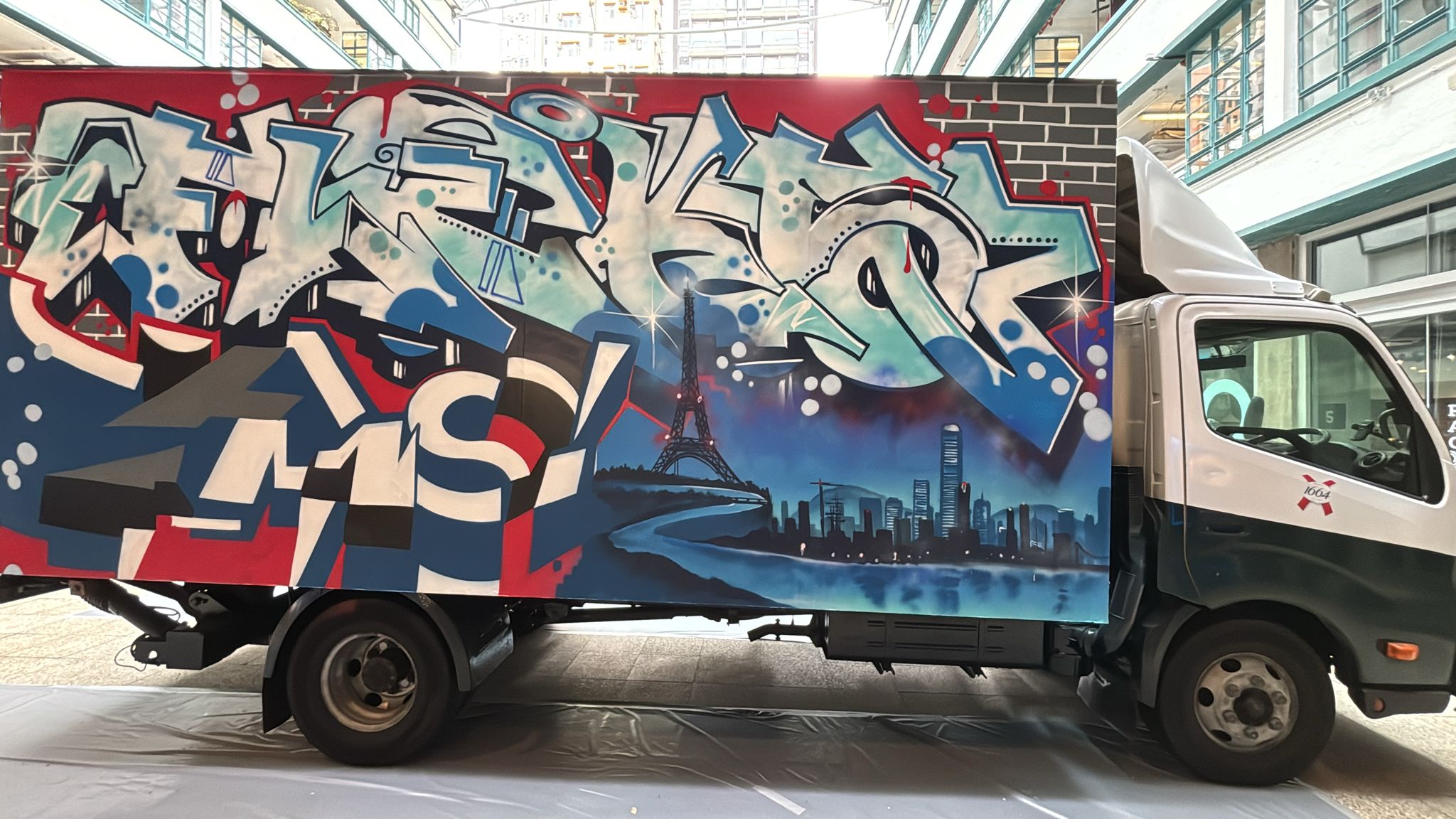
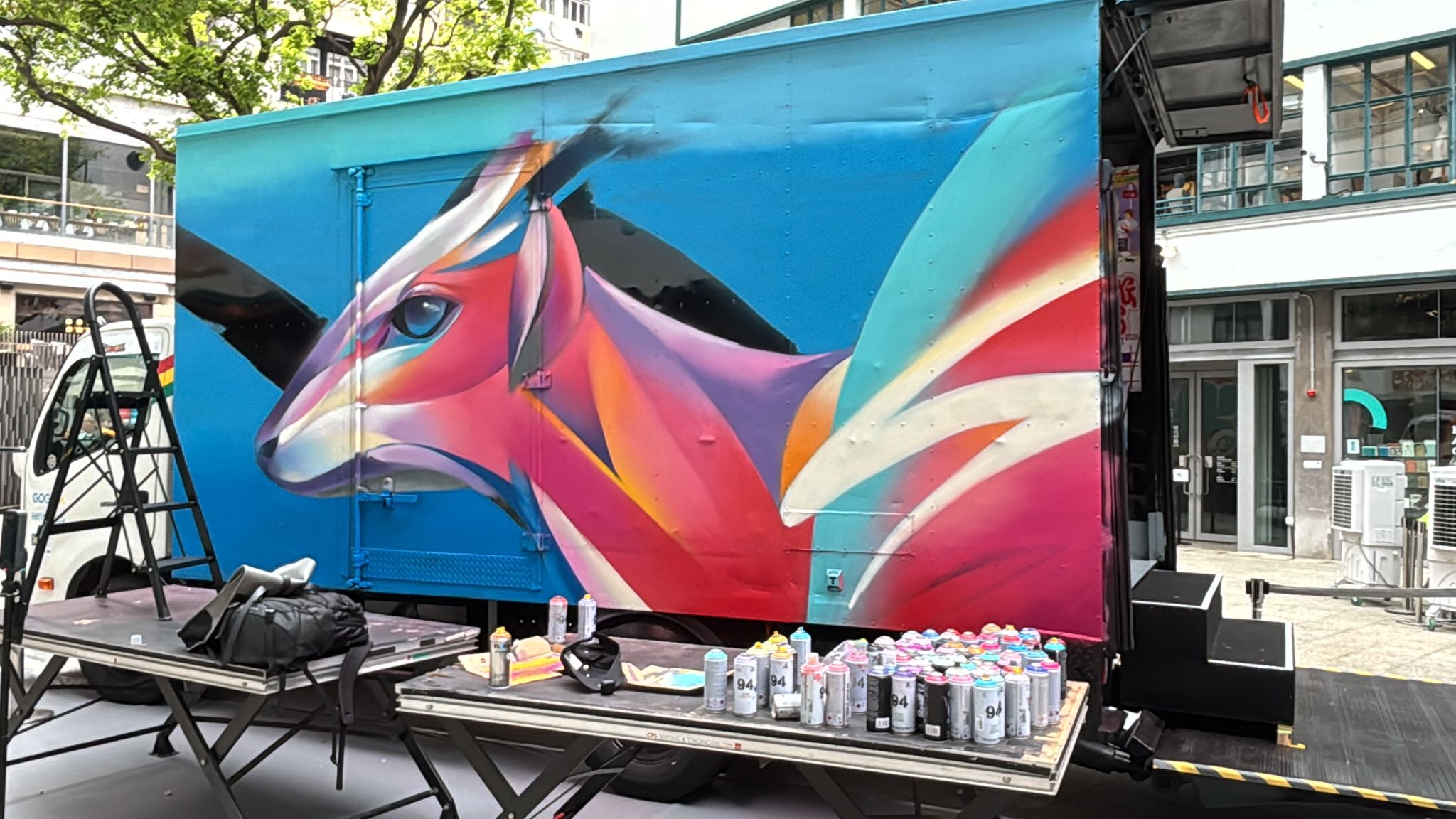
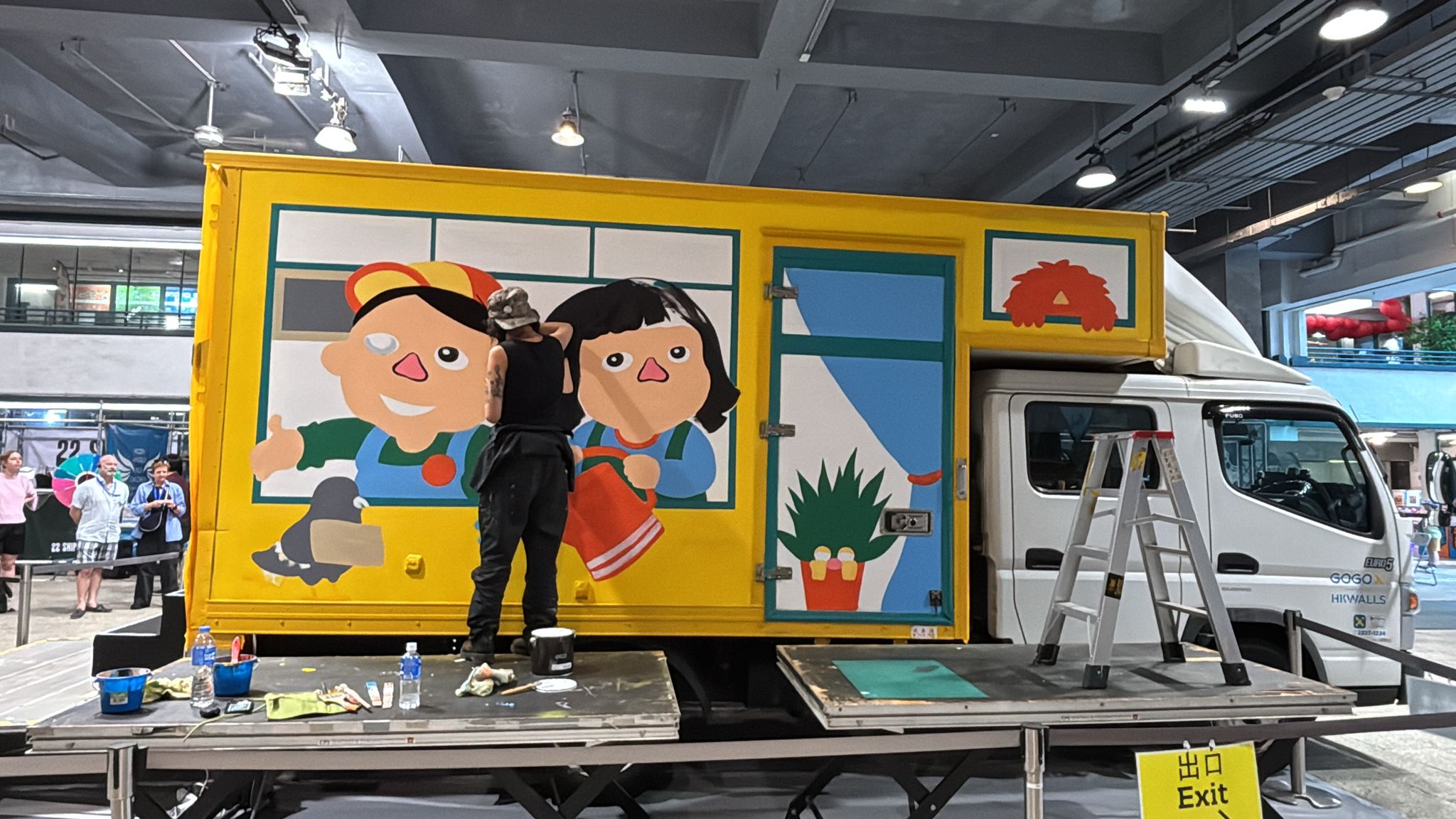
It’s the perfect time to explore the neighbourhoods you thought you knew—look out for artists putting the finishing touches and discover familiar districts refreshed with bold, new colours.
If you want to make the most of the painted city, consider touring with Hong Kong a la Carte. We will make sure you discover as many murals as possible, focus on technical details—spray techniques, brushwork, paste-up methods—and share behind-the-scenes anecdotes about artists and murals messages.
Last minute info:
On 29 March, visit Central & Sheung Wan to spot artists painting and attend the Grand Finale on Chater Road (12:00 to 21:00)! More details here.