
Exploring World War II History in Hong Kong
Historical Context
As we mark the 80th anniversary of Japan’s surrender on September 2, 1945, we are reminded of the profound impact World War II had on Hong Kong. This vibrant city, rich in history and cultural diversity, is home to numerous relics from this tumultuous period. Currently, the documentary “Rising Sun 1980” is being showcased in local theaters, offering a compelling look at the era. In this blog post, we will explore these historical sites, providing insights into the stories and artifacts that highlight a significant chapter in the city’s past.
World War II began for Hong Kong on December 8, 1941, just hours after the attack on Pearl Harbor. Japanese forces invaded, and after a fierce battle, British troops surrendered on December 25, 1941—a day now known as “Black Christmas.” The occupation lasted until August 15, 1945, bringing severe hardships to the local population, including food shortages, forced labor, and repression.
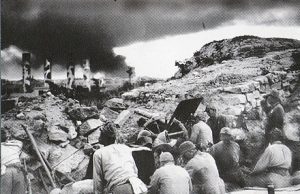
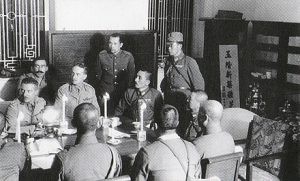
Today, the legacy of this conflict remains evident in Hong Kong, with numerous relics and memorials that tell the stories of those turbulent years.
Relics and Sites to Explore
At Hong Kong a la Carte, we have a passion for history and exploring the relics of the past. We offer several options for tours that cater to different levels of adventure, allowing you to delve into the city’s wartime history while enjoying the great outdoors.
1. Mount Davis
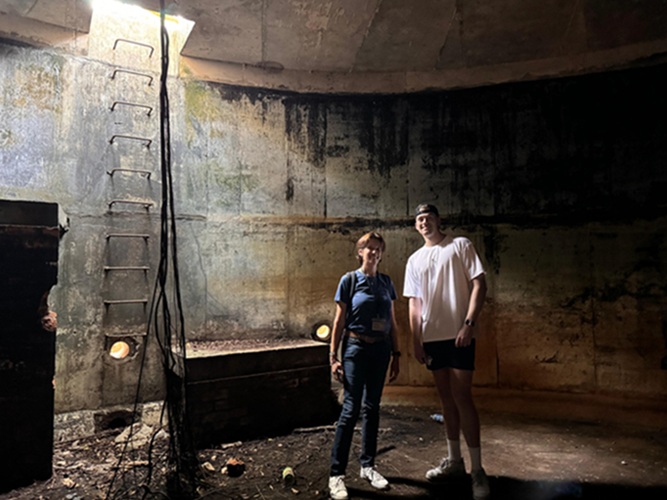
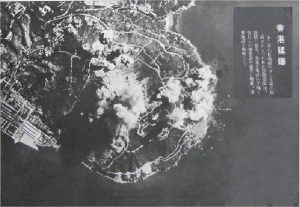
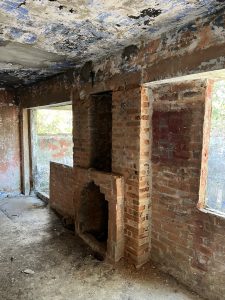
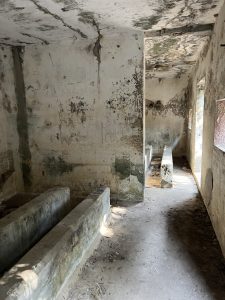
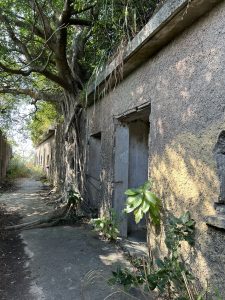
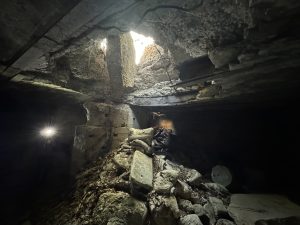
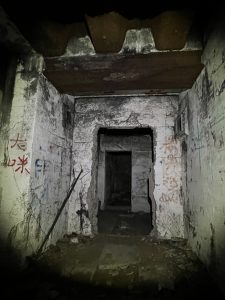
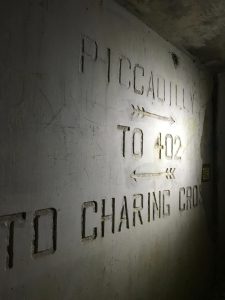
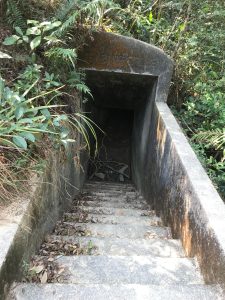
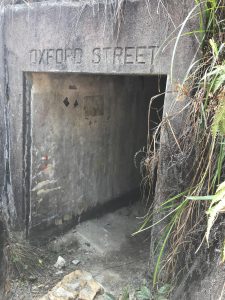
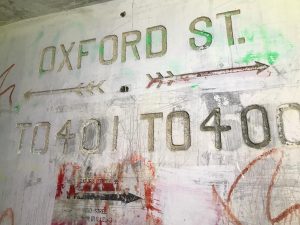
Mount Davis is a popular hiking destination that features remnants of coastal defense structures from World War II. An adventurous section includes an underground ammunition depot, where visitors can explore the fascinating history of military logistics. The hike also offers stunning views of the surrounding area.
2. Devil’s Peak
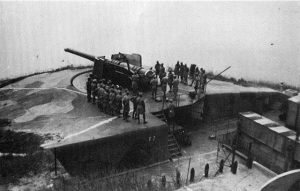
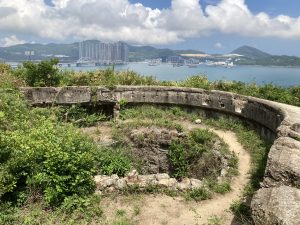
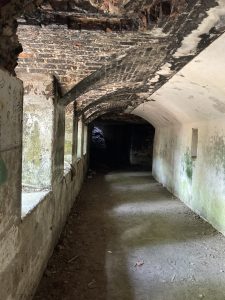
For those seeking a more adventurous experience, Devil’s Peak is an excellent choice. This site includes old military installations connected to the Lei Yue Mun batteries, which have now been turned into the Coastal Defence Museum. Due to its strategic location at the narrowest spot of Victoria Harbour, Devil’s Peak played a crucial role in the defense of the city during the war.
3. Pinewood Battery
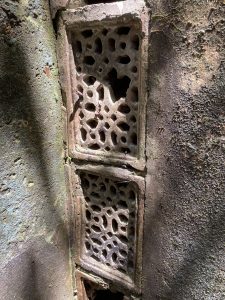
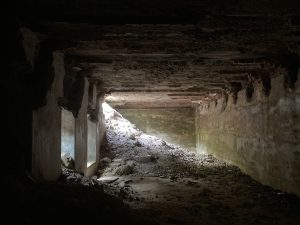
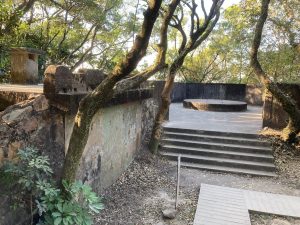
Pinewood Battery is another fascinating site, where you can explore the remains of an artillery position that played a crucial role during the war. The area is accessible via a moderate hike, making it perfect for history enthusiasts and outdoor lovers alike.
4. Wong Ngai Chun Gap Battlefield
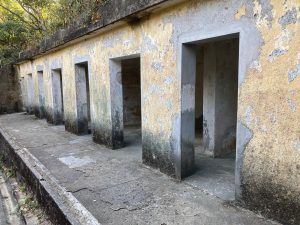
This historical battlefield is a must-visit for those interested in the specifics of the conflict. Our guided tours provide insights into the events that took place here, along with the opportunity to trek through the rugged terrain.
5. Shing Mun Redoubt
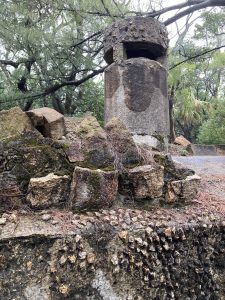
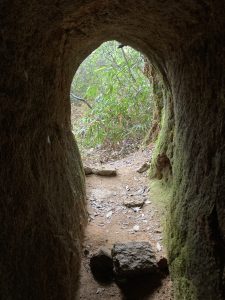
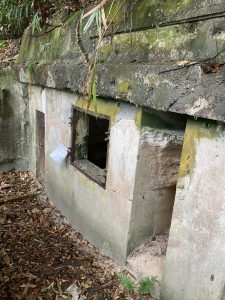
The Shing Mun Redoubt is a well-preserved military installation that offers a unique glimpse into the defensive measures taken during the war. The site is accessible via a scenic hiking trail, making it ideal for both history buffs and nature lovers.
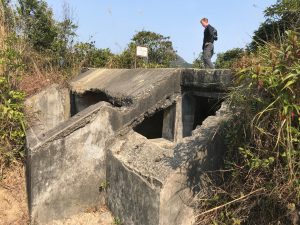
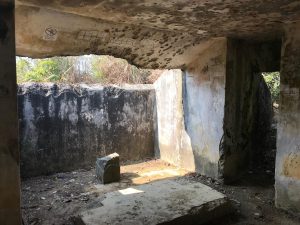
6. Luk Keng WW2 Pillboxes
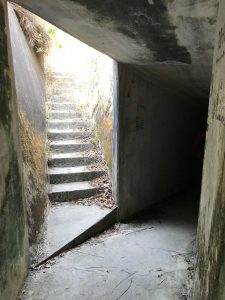
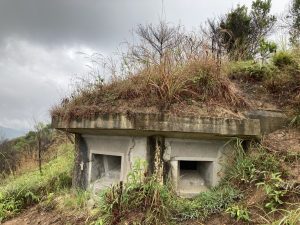
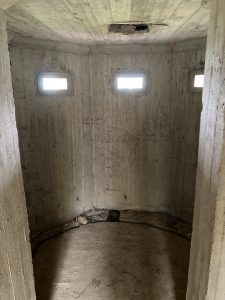
The Luk Keng area features several well-preserved pillboxes that were part of the Japanese defense network during the occupation. These concrete structures, built by the Allied prisonners, provided protection for soldiers and strategic vantage points to monitor anti-Japanese movements.
Visiting these pillboxes offers a tangible connection to the past and insight into the military strategies employed during the war.
At Hong Kong a la Carte, we can customize tours for each of these sites based on your desired level of adventure. Whether you prefer a leisurely stroll through history or an exhilarating hike through the remnants of the past, there’s something for everyone to explore.
Conclusion
Hong Kong’s World War II history is a poignant reminder of resilience and survival. The existing relics and memorials provide a valuable opportunity to reflect on the past and honor those who lived through this challenging period. Whether you’re a history buff or simply curious, exploring these sites with us can offer deep insights into the city’s rich and complex history.
Post-scriptum: For history enthusiasts, we also recommend watching the new film Dead to Rights, set during the Nanjing Massacre.