
Heritage Days in Hong Kong
The French Heritage Days were initiated in 1984 by the then French Minister of Culture Jack Lang.
Following the success of its first edition, Jack Lang suggested to his European colleagues to extend them to their own countries. The Council of Europe launched the European Heritage Days initiative in 1985, and in 1999, the European Union created a joint action, which has continued to these present days.
The 12 million visitors recorded in France each year confirm that this special celebration testifies the love of the French for history and arts.
Two years ago, in order to help the Consulate General of France in Hong Kong & Macau celebrate the European Heritage Days in Hong Kong, we launched a special guided tour: the French presence in Hong Kong from the 19th century to our days.
On the 13th and 14th of September 2025 in Europe, with the exception of France – on the 20th and 21st of September 2025, we will once again celebrate the European Heritage Days, and here is s a snapshot of the stories you can hear about during this tour which is available all year round.
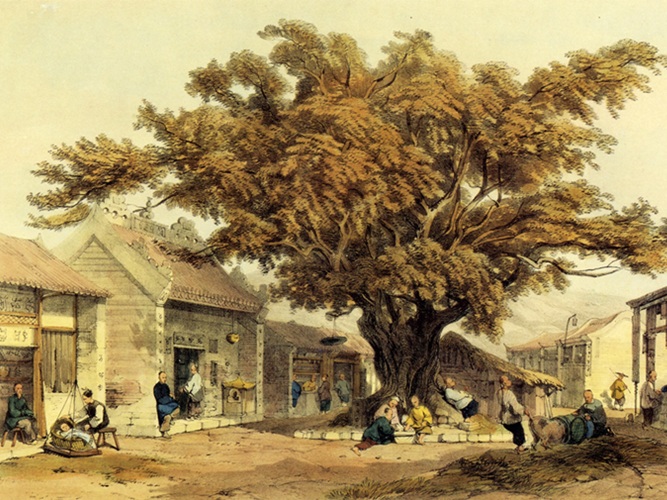
Auguste Borget (1808–1877) was an itinerant French painter who frequently travelled with naval expeditions and known for his drawings and prints of exotic places, in particular in China.
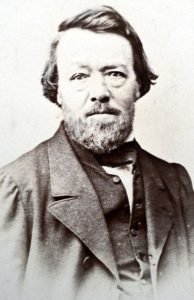
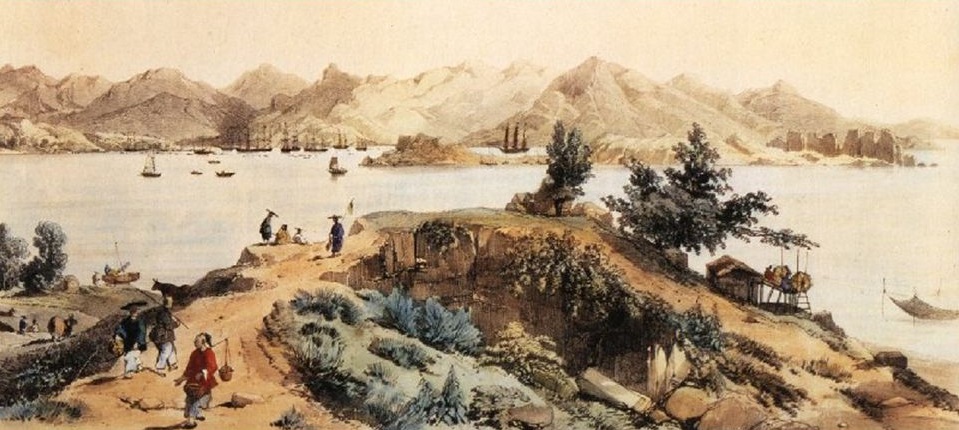
In 1838, while on a 4-year world tour, he travelled to the Pearl River Delta and stayed in the region for 10 months.
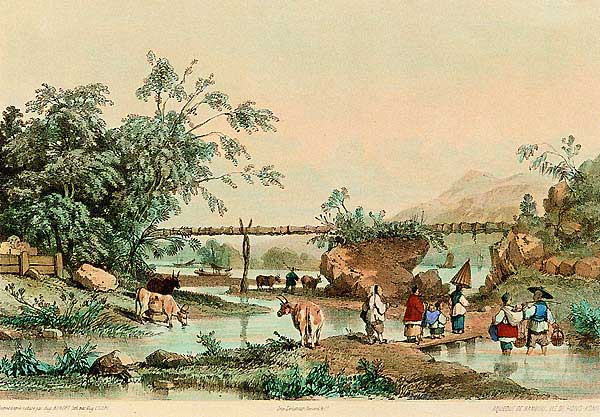
Borget’s sketches and watercolours from China were the highlights of his famous publication “Sketches of China and the Chinese”, published in 1842. His book “La Chine ouverte” was illustrated with fine woodcut engravings and showed views of Hong Kong and Kowloon before Hong Kong became British.
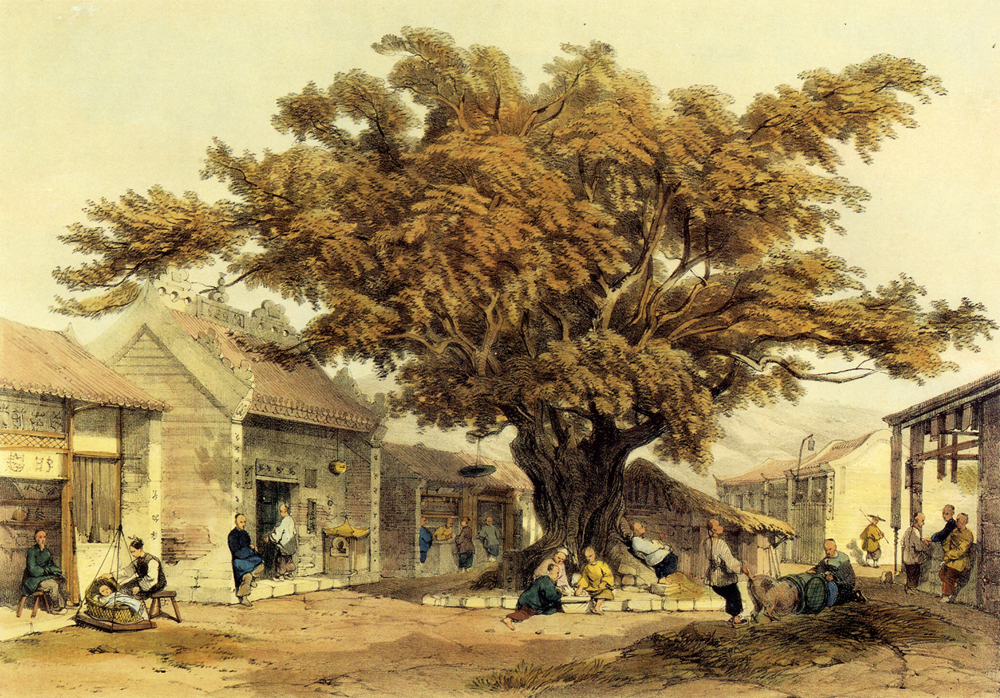
In 1844, the first French businessman to write a report about the new British colony economy was Auguste Haussmann an affluent trading man from Alsace. He first presented French industrial products in Macau and Canton, but without much success. He then arrived in Hong Kong after escaping a pirate attack. He was not impressed by Hong Kong and reported that the Island was not sufficiently populated, nor fertile enough, nor conveniently situated to be able to welcome an important market.
And quite the opposite, 22 years later, in October 1866, Consul Emile Coste sent enthusiastic comments to the France Foreign Ministry as Hong Kong seemed to him to be an essential point of passage for all commercial and financial developments.
In 1847, after a few years in Japan, Theodore Augustin FORCADE, born in 1816 in France, was appointed the first Roman Catholic bishop of Hong Kong.
Very soon after his appointment, the bishop decided to open an orphanage to care for abandoned baby girls and asked the Congregation of St. Paul de Chartres to send sisters to take care of the facility.
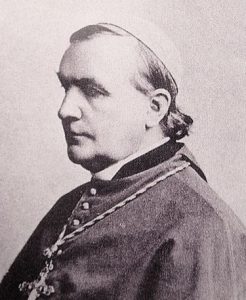
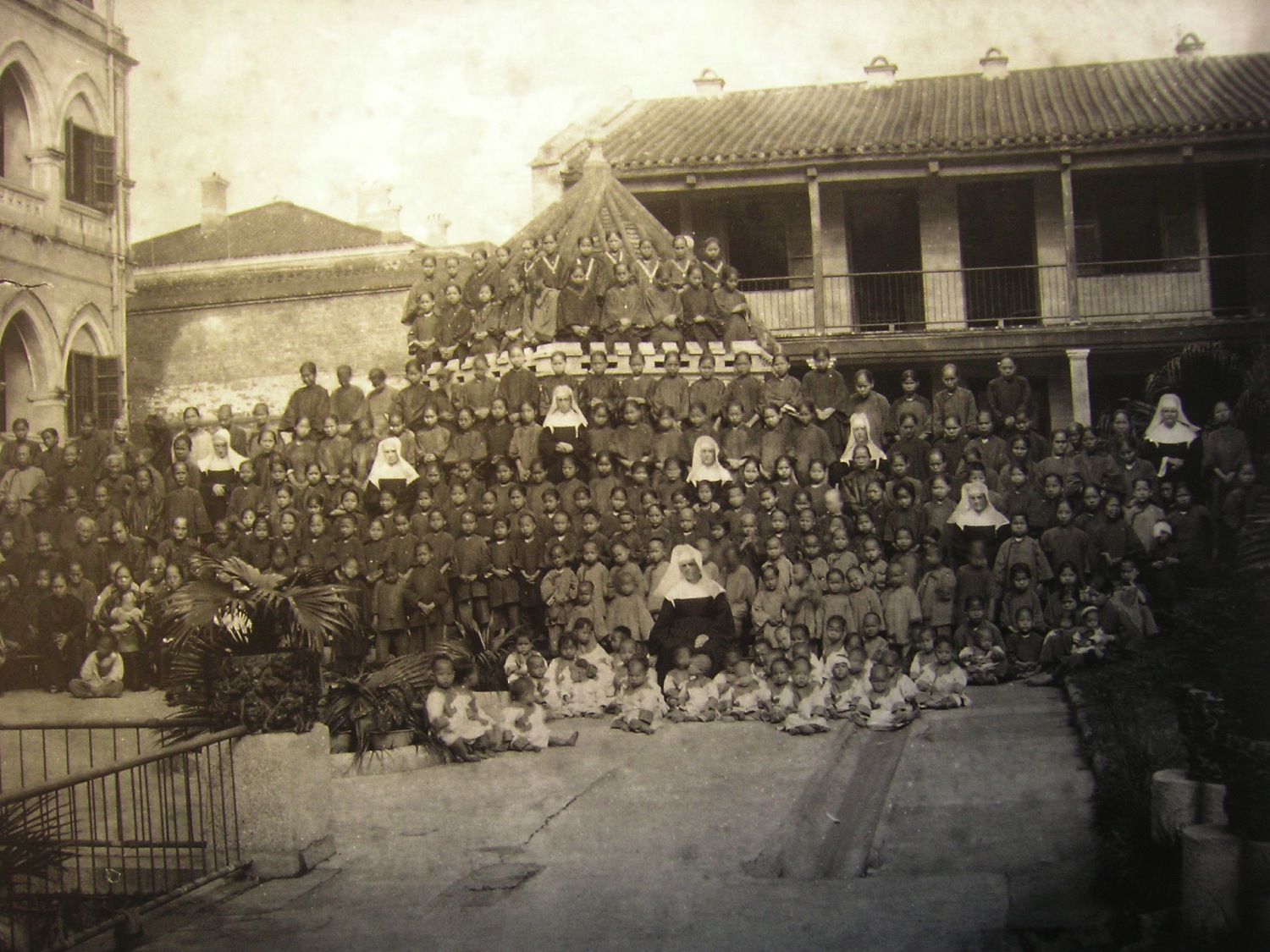
In 1848, Sister Alphonsine Calixte FORCADE, Theodore Augustin FORCADE’s sister, who was serving abroad at the time, was appointed to Hong Kong to lead a group of four sisters to set up the Sainte Enfance Orphanage. Between 1848 and 1854, the orphanage took in 1360 abandoned infants, a frightening amount considering the total population of not more than 25,000.
The sisters eventually built of St Paul’s Hospital now located in Causeway Bay and still called ‘the French Hospital’ by the older generations of Hong Kong residents.
The story goes on….
Contact us to book a tour!