
Shifting Perspectives: The Hidden History in Hong Kong’s Brickwork
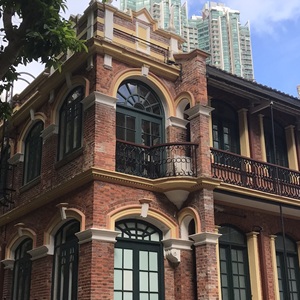
Stroll through Hong Kong long enough, and a visual pattern begins to emerge. On one hand, you have grand colonial landmarks like the Western Market or the University of Hong Kong, radiating a warm red. On the other, tucked away in the quiet corners of the New Territories, you will find ancestral halls and ancient temples built from a cool palette of grey, blue, and green.
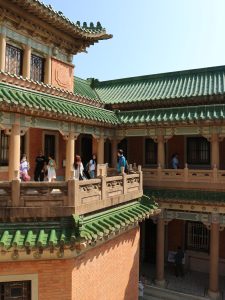
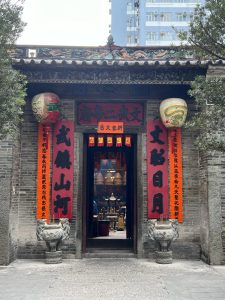
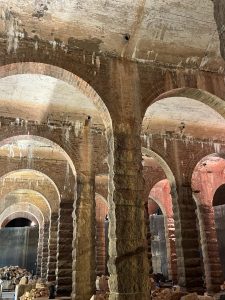
For decades, a simple story has been told to explain this: Red bricks are European, brought over on ships during the Opium Trade, while blue bricks are local and Chinese. It is a neat explanation, but the real history is far more fascinating. As it turns out, Hong Kong’s bricks hide a tale of global trade, cultural traditions, and unexpected science.
The alchemy of the kiln: Why are bricks different colors?
It might surprise you to learn that blue bricks and red bricks often start their lives looking exactly the same. They are molded from the very same iron-rich local clay. The secret to their final color lies entirely in how the fire is managed inside the kiln.
Red bricks: When oxygen flows freely inside the kiln, the iron in the clay rusts (oxidizes). This chemical reaction turns the brick its classic, warm terracotta red.
Blue/Grey bricks: To make traditional Chinese blue bricks (known as tsing chuen 青磚), water is poured into the kiln at the very end of firing. This creates massive steam that cuts off the oxygen. Starved of air, the fire pulls oxygen atoms directly out of the clay. This reaction changes the iron’s composition, turning the brick a dense, blue-grey color.
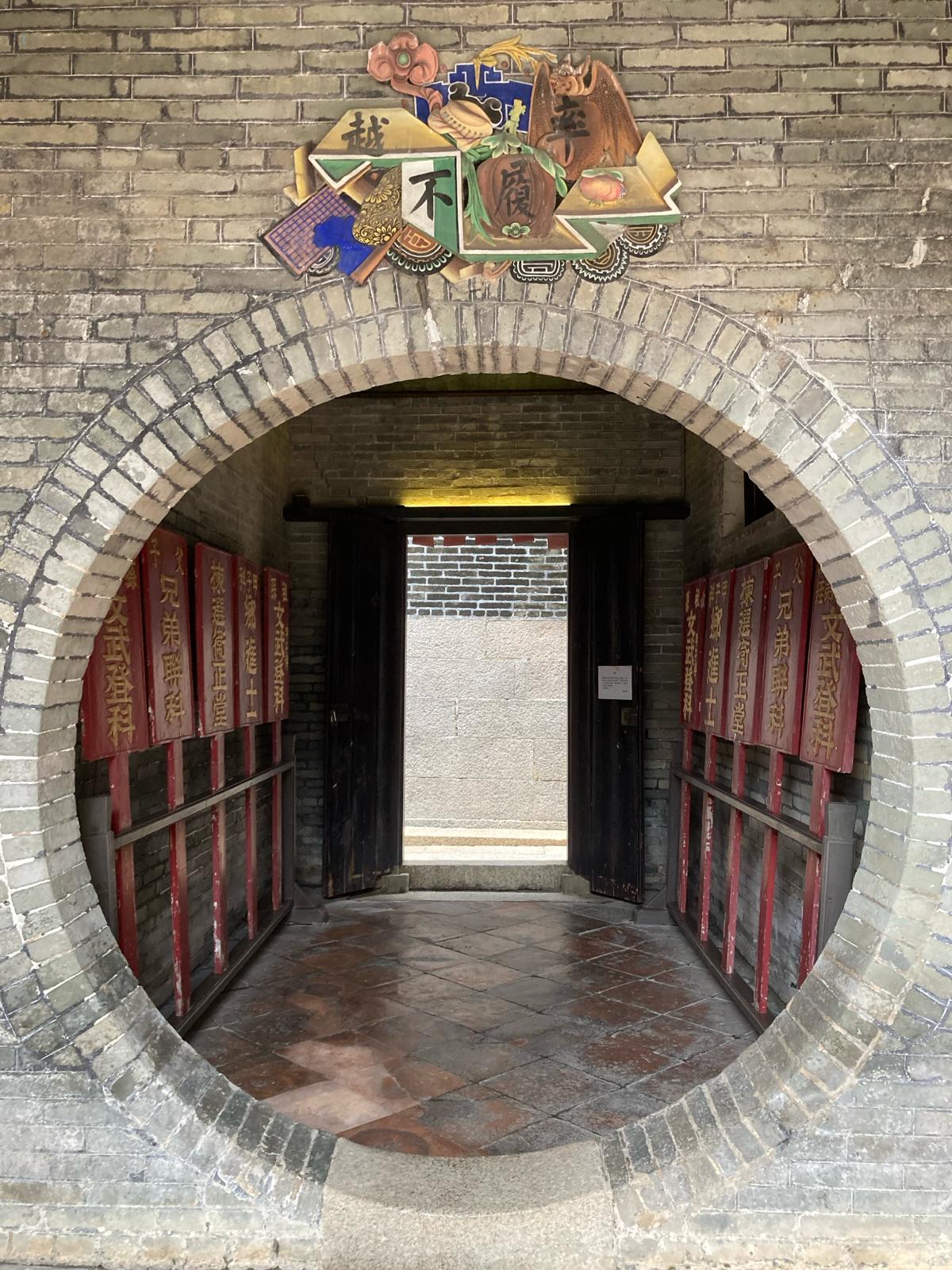
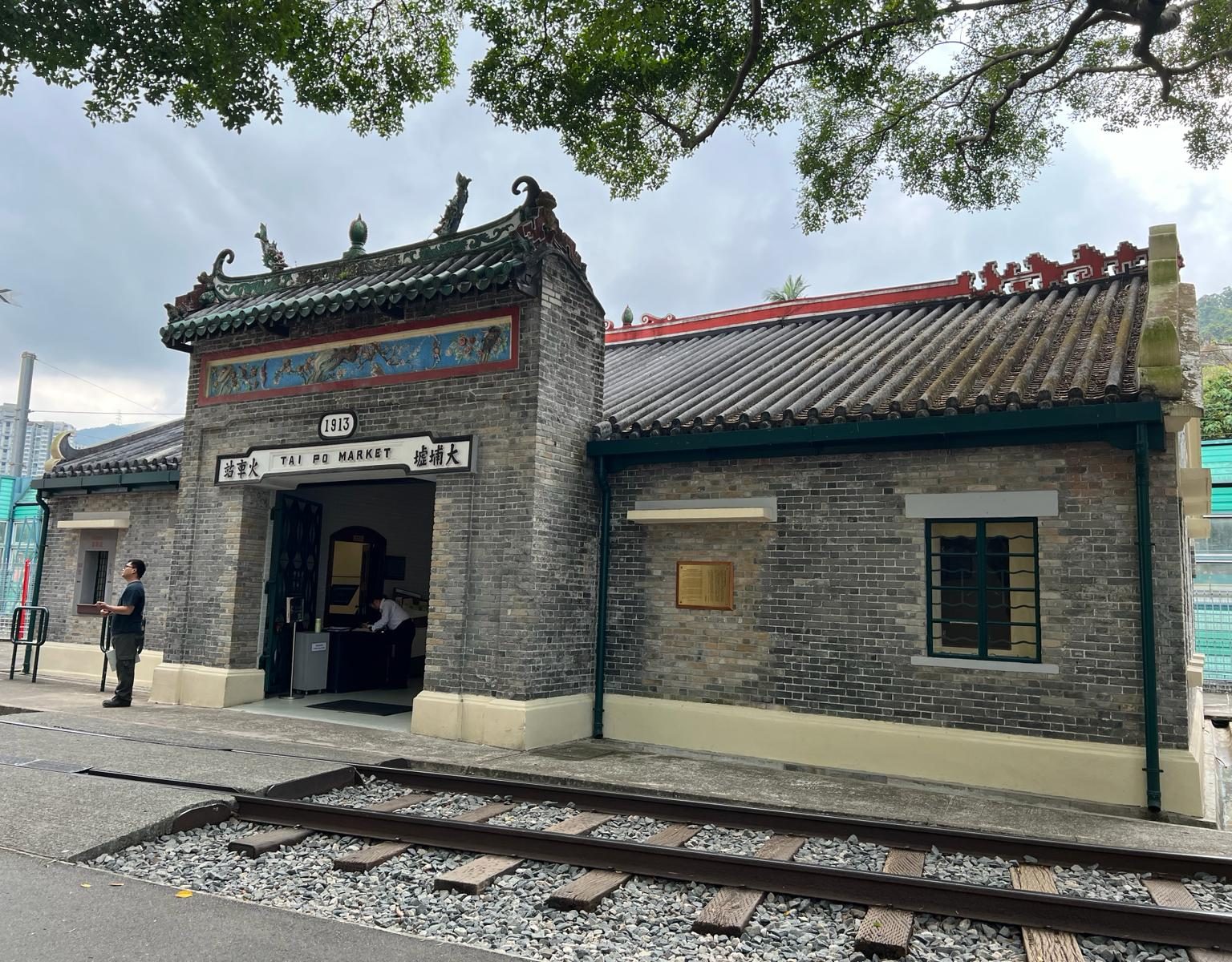
Historically, Chinese architecture favored these cool blue-grey tones for harmony. The watery yin energy of the blue brick was believed to spiritually balance out the hot yang energy of fire—a constant threat in old wooden-roofed villages.
It’s more complicated: The Chinese red bricks
While the common theory states that red bricks are purely European, China actually has its own ancient red brick legacy. In the Minnan region of Southern Fujian, spectacular historic compounds were built entirely of vivid red brick centuries before Europeans arrived in Asia.
However, when modern Hong Kong began to grow in the mid-19th century, British colonists brought a skeptical view of local materials. Pre-colonial Hong Kong was a remote area without advanced industrial kilns. Many local blue bricks were hastily made by villagers, resulting in uneven quality. If you look closely at the walls of the Yu Kiu Ancestral Hall in Ping Shan today, you can spot blotchy, brownish patches—signs of a temperamental fire that didn’t quite finish the steam process.
Because of poor construction standards at the time, some buildings collapsed. The colonial government blamed the material and passed a law in 1889 restricting the use of blue bricks in tall buildings.
A tale of three Bricks: Local landmarks up close
Determined to use materials they trusted, Western builders initially imported European red bricks carried across the oceans as ship ballast (heavy weight used for stability). But as Hong Kong boomed, shipping them from Europe became impractical, forcing architects to get creative.
Today, you can spot different chapters of this brick-sourcing journey all over the city:
The true British import: The stunning former Police Headquarters at Tai Kwun in Central was originally constructed using genuine British-imported bricks. Maintaining this heritage is serious business—during its recent restoration, conservationists sourced over 15,000 handmade bricks directly from the UK to perfectly match the color and texture of the originals.
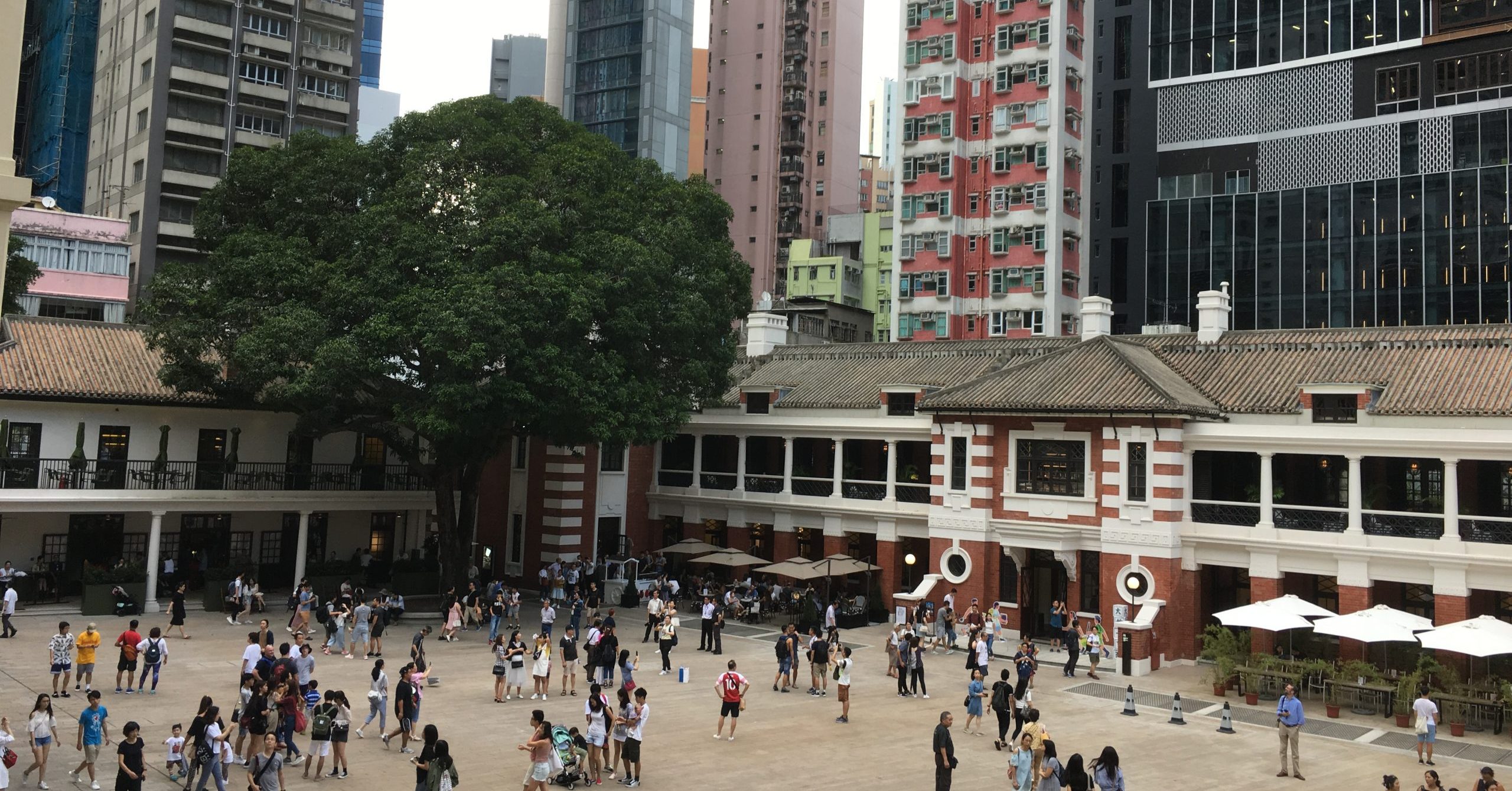
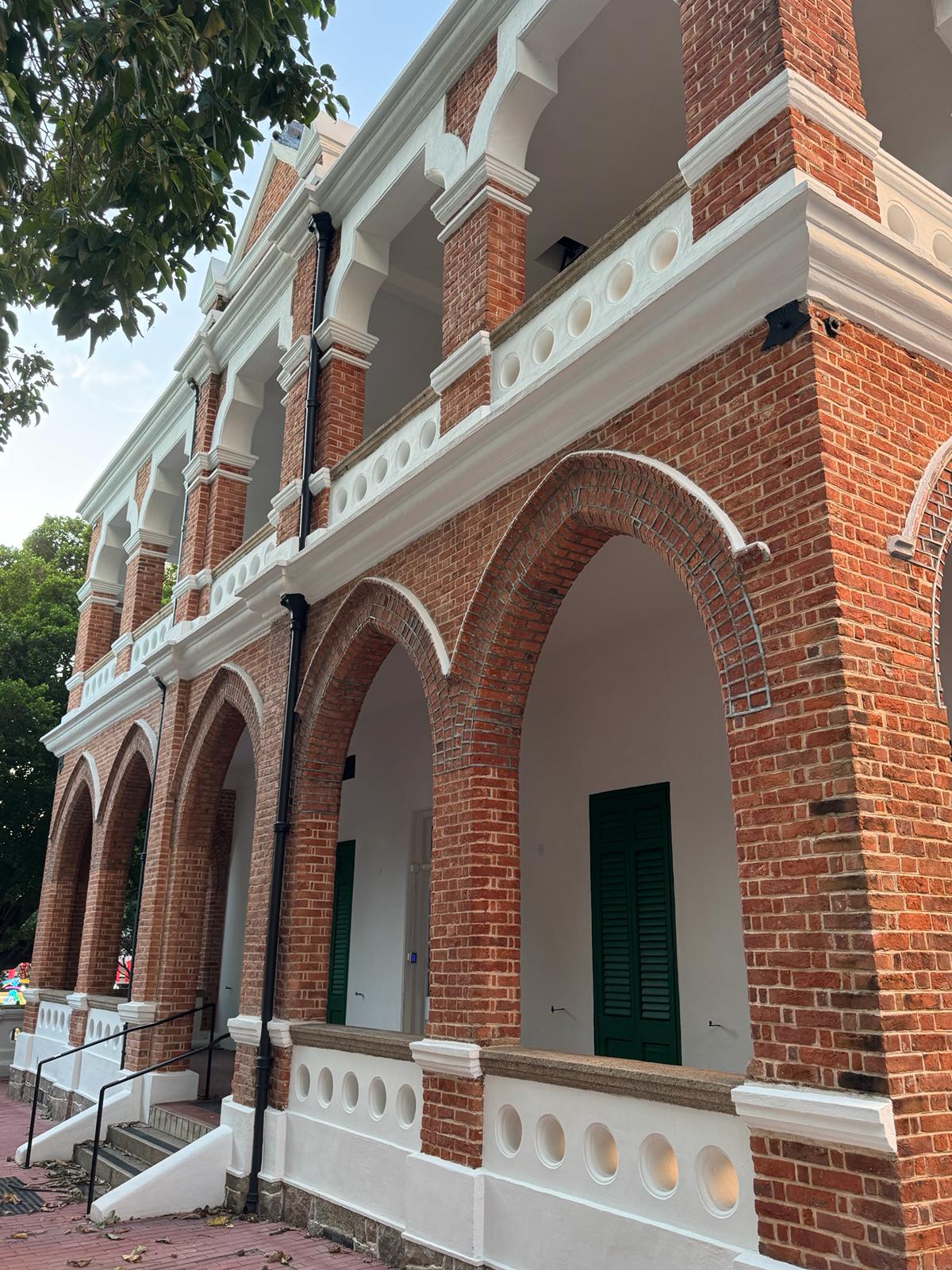
The high-quality regional mix: When the Paris Foreign Missions Society commissioned heavy renovation on the original structure that would become the Former French Mission Building on Battery Path between 1915 and 1917, the architects searched the region for premium red bricks, proving that high-quality regional trade was thriving.
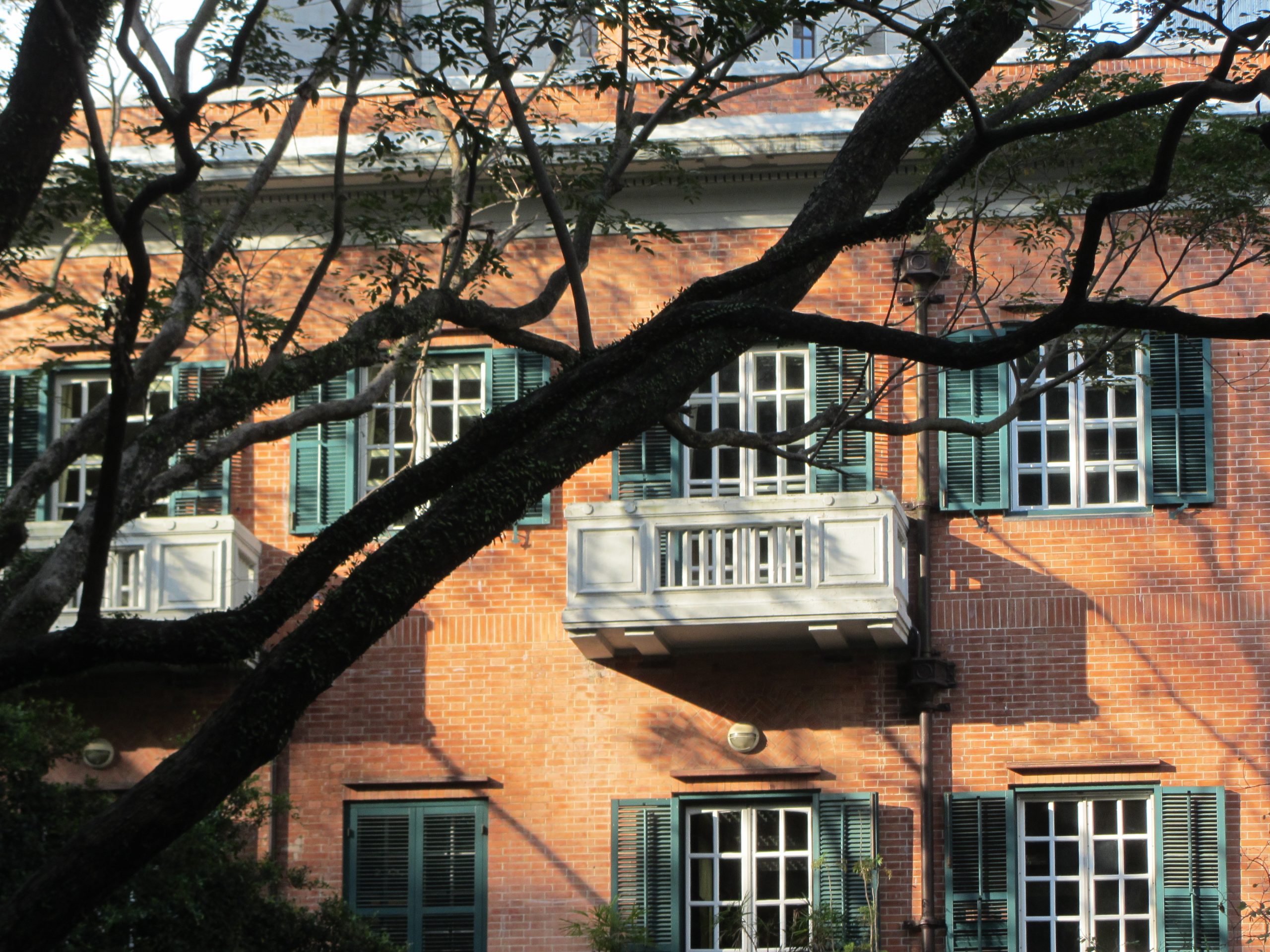
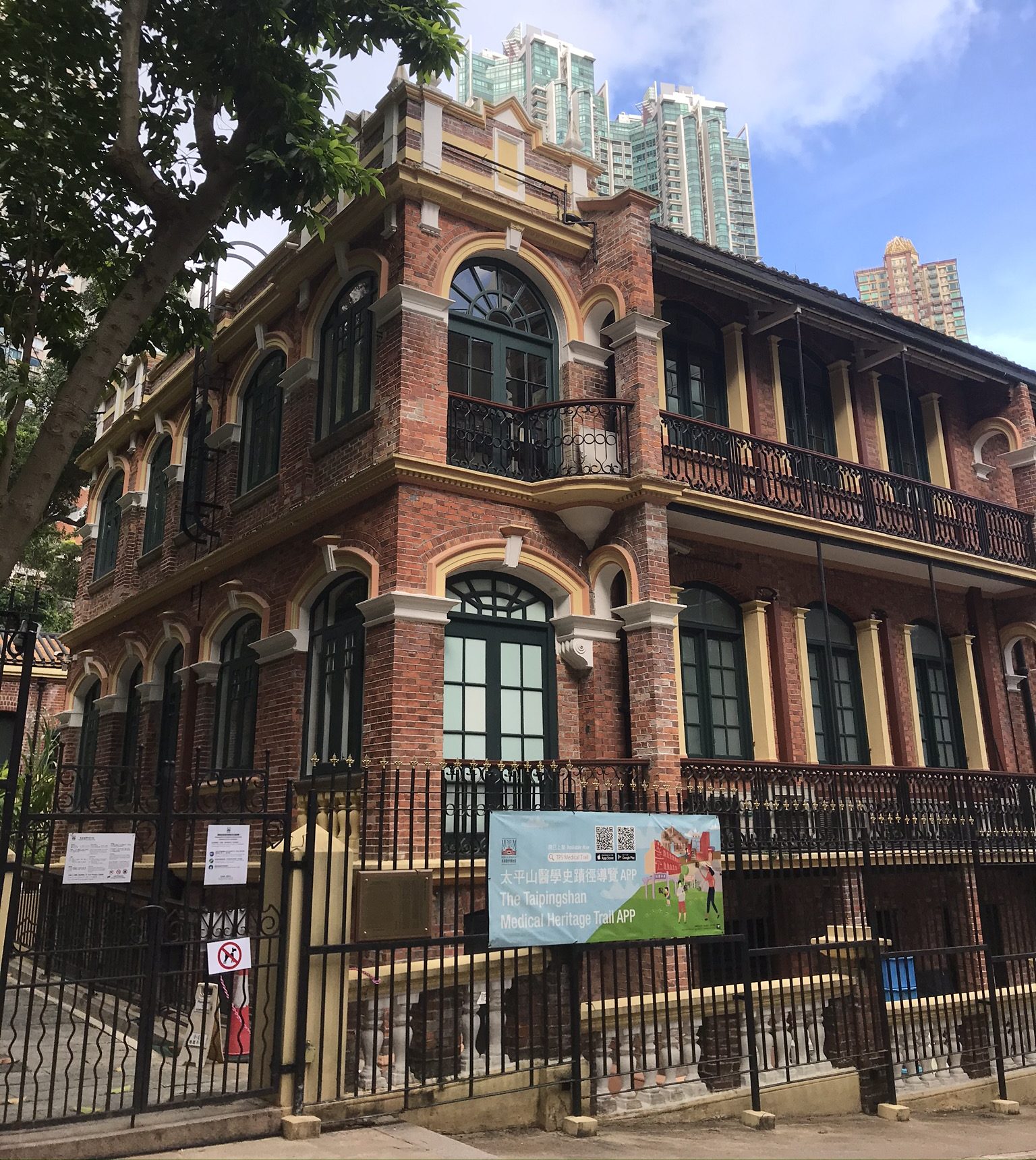
The Canton choice: The beautiful Edwardian-style Hong Kong Museum of Medical Sciences in Mid-Levels offers another twist. It was built using “Canton bricks”—high-quality red bricks produced just across the border in the famous kilns of Foshan.
The Gold Standard: Meanwhile, the iconic University of Hong Kong’s Main Building and the Western Market utilized Chinese-made “Amoy bricks” from Fujian, which colonial engineers considered the ultimate standard for durability and weather resistance.
Unearthing Hong Kong’s stories with HK a la carte
Ultimately, the bricks of Hong Kong tell the story of a unique city caught between two worlds—fusing Western styles with regional Chinese craftsmanship. By the 1930s, both colors would eventually give way to modern reinforced concrete, turning these remaining brick structures into precious historical treasures.
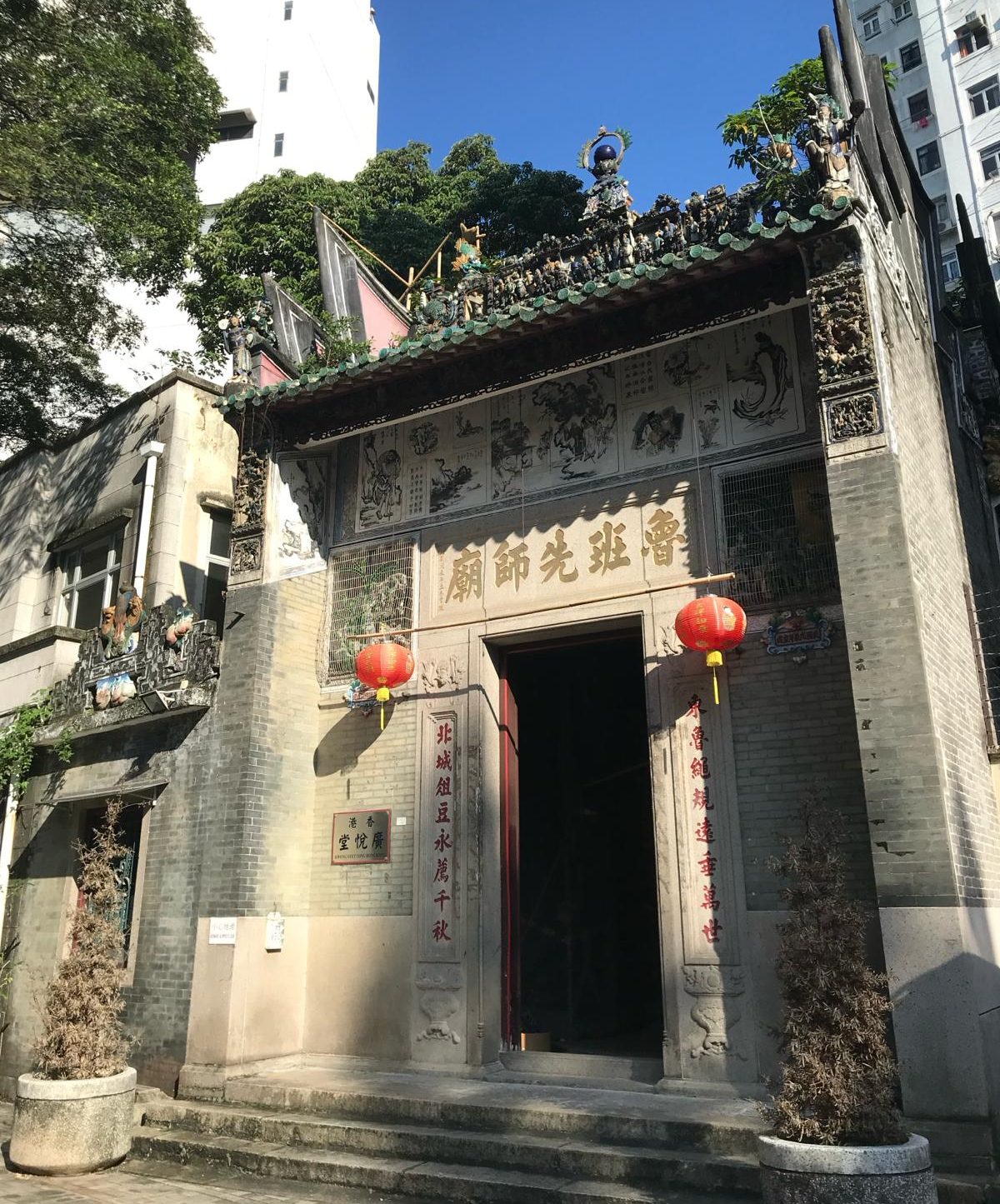
At Hong Kong a la Carte, we love looking past the famous skyline to uncover the hidden histories baked right into the city’s walls. Whether you want to admire the fine blue brickwork of Kennedy Town’s Lo Pan Temple, count the imported bricks at Tai Kwun, or trace the legacy of Amoy red bricks at HKU, our bespoke heritage tours are designed to show you Hong Kong through an insider’s eyes.
Ready to explore the hidden layers of our city’s past? Contact our team today to curate your custom architectural and cultural walking tour.